Setting up a home office that fosters productivity and comfort is essential for anyone working remotely or studying from home. A well-designed space can help you stay focused, reduce distractions, and improve your overall work experience. Whether you’re starting from scratch or looking to improve your current setup, here are some helpful tips for creating a productive home office space.
Choose the Right Location
Selecting the right spot for your home office is the foundation of productivity. Ideally, the space should be quiet, free from distractions, and have enough room for your equipment.
– Separate from living areas: If possible, set up your office in a separate room. This helps establish a clear boundary between work and relaxation zones.
– Consider natural light: Working near a window can boost mood and energy levels. Avoid placing your desk directly facing the window to prevent glare on screens.
– Accessibility: Ensure your office is easily accessible without disturbing other household activities.
Invest in Ergonomic Furniture
Comfort plays a big role in how productive you can be. Ergonomic furniture supports your posture and reduces physical strain.
– Chair: Choose an adjustable chair that supports your lower back and encourages good posture. Look for options with lumbar support and adjustable height.
– Desk: Your desk should be at a height that allows your elbows to remain at roughly 90 degrees when typing. Standing desks or adjustable desks are good choices for flexibility.
– Keyboard and mouse: Position these so your wrists are straight and your arms relaxed.
Organise Your Workspace
An organised workspace minimizes distractions and saves time searching for documents or tools.
– Declutter regularly: Remove items you don’t use daily to keep surfaces clear.
– Storage solutions: Use drawers, shelves, filing cabinets, or baskets to keep essentials handy but out of sight.
– Cable management: Use clips or cable organisers to prevent cords from tangling or cluttering your desk.
– Essential items only: Keep your most-used items within arm’s reach to maintain workflow.
Optimise Lighting
Proper lighting reduces eye strain and creates a pleasant atmosphere.
– Natural light: Use blinds or curtains to control brightness and diffuse direct sunlight.
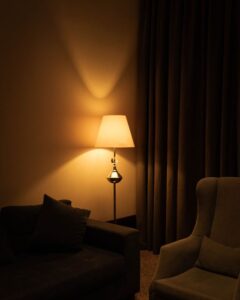
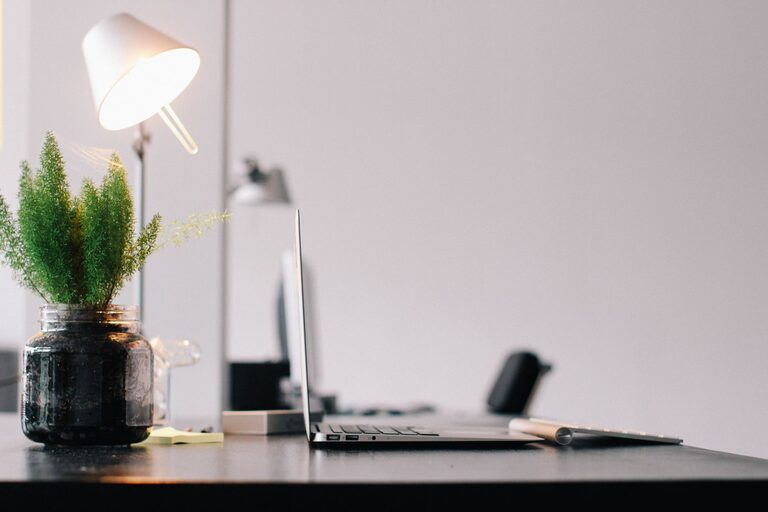
– Task lighting: A desk lamp with adjustable brightness and direction can help when working in the evenings or on focused tasks.
– Avoid glare: Position screens to avoid reflections from windows or other light sources.
Minimise Distractions
Staying focused is easier when your environment is tailored for work.
– Noise reduction: Consider noise-cancelling headphones or white noise machines if you live in a noisy area.
– Set boundaries: Communicate your working hours with household members to limit interruptions.
– Declutter digital distractions: Use apps or browser extensions to block distracting websites during working hours.
Personalise Your Space
Adding personal touches can make your home office feel inviting and motivate you.
– Plants: Indoor plants improve air quality and add a relaxing vibe.
– Artwork: Choose calming images or inspiring artwork that boost your mood without distracting you.
– Colour scheme: Soft, neutral tones promote concentration, but a splash of colour can energise your space.
Establish a Routine
Your physical space is just part of the equation—developing a consistent routine helps maintain productivity.
– Set working hours: Stick to regular start and finish times.
– Breaks: Take short breaks to stretch or rest your eyes every hour.
– Morning preparation: Spend a few minutes organising your desk before starting work to set a positive tone.
Use Technology Wisely
Technology enhances productivity when used effectively.
– Reliable internet: Ensure your connection is fast and stable to avoid disruptions.
– Essential tools: Use software for task management, video conferencing, and cloud storage to streamline work.
– Backup: Regularly save your work and consider external backups or cloud services to prevent data loss.
Keep Comfort in Mind
Don’t forget about temperature and ventilation, as they affect concentration and wellbeing.
– Temperature control: Use fans, heaters, or air conditioning as needed to maintain a comfortable environment.
– Ventilation: Fresh air helps keep you alert. Open windows when weather permits or use air purifiers.
—
Creating a dedicated, comfortable, and organised home office allows you to work efficiently while maintaining balance between professional and home life. Taking time to plan and personalise your space can make all the difference in your daily productivity.