Creating a home office that is both relaxing and productive is essential for making the most of your work-from-home experience. A well-designed workspace helps maintain focus, reduce stress, and improve overall wellbeing. Whether you have a dedicated room or a small corner in your living space, these tips will guide you through creating an environment that nurtures both comfort and efficiency.
Choose the Right Location
Selecting the ideal spot for your home office is the foundation of a good workspace. Consider a quiet area away from high-traffic zones in your home to minimise distractions. Natural light can boost mood and energy levels, so positioning your desk near a window is beneficial if possible.
If space is limited, a foldable desk or a small nook can be transformed into a functional office with some creativity. Remember that consistency helps the brain associate the space with work, so aim to have a designated and organised spot.
Invest in Comfortable and Supportive Furniture
Comfort is key when spending long hours working at home. Choose an ergonomic chair that supports your back and encourages good posture. Adjustable chairs and desks offer flexibility to suit your body height and preferred working position, whether sitting or standing.
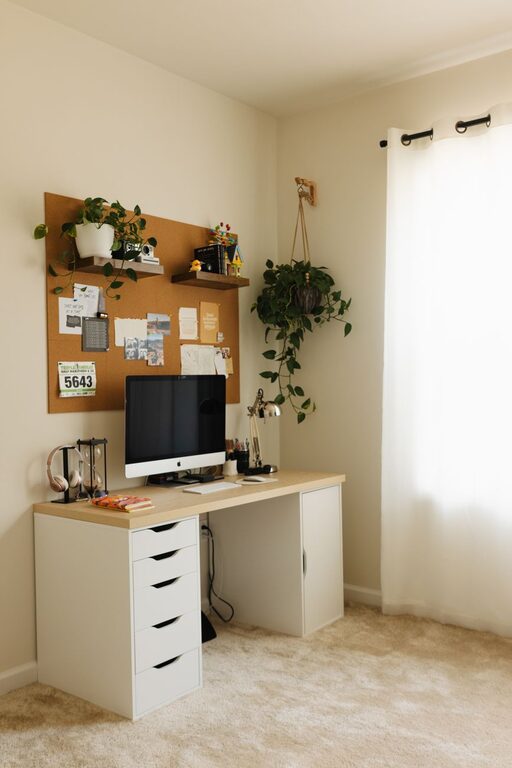
Your desk should be large enough to hold your computer, notebooks, and any essential items without feeling cramped. If you use multiple devices, consider a monitor stand to better align the screens with your eye level, helping to reduce neck strain.
Keep the Space Organised and Clutter-Free
A tidy workspace promotes mental clarity and reduces interruptions. Use storage solutions like shelves, drawer organisers, and filing systems to keep papers and supplies in order. Declutter regularly to remove items that are not directly related to your work.
Digital organisation is equally important. Keep your computer desktop and email inbox organised to avoid feeling overwhelmed by too much information at once.
Use Calming Colours and Personal Touches
Colour influences mood and productivity. Soft, neutral shades such as pale blues, greens, or beige tend to create a calming atmosphere, while brighter colours like yellow can stimulate creativity. Choose a colour scheme that feels pleasant and relaxing to you.
Personalise your office with items that inspire you — photos, plants, or artworks — but avoid overcrowding the space. Plants, in particular, bring a touch of nature, improve air quality, and have been shown to reduce stress.
Control Lighting and Reduce Eye Strain
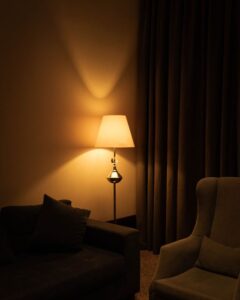
Good lighting reduces fatigue and helps maintain concentration. Aim for a combination of natural light and adjustable task lighting. Avoid harsh overhead lights that create glare on screens, and consider using lamps with warm tones for a cosy feel.
To protect your eyes, adjust the brightness and contrast on your devices, take regular screen breaks, and use blue light filters if needed — especially in the evening.
Minimise Noise and Distractions
Background noise can disrupt focus. If your home is bustling, consider noise-cancelling headphones or white noise machines. You might also explore ambient sounds or gentle instrumental music to create a soothing soundscape.
Set clear boundaries with family members or housemates about your working hours to reduce interruptions. Using signals, such as a door sign or headphones, can help indicate when you need quiet time.
Establish a Routine and Encourage Movement
A structured daily routine can improve productivity and wellbeing. Start your day with a morning ritual that prepares you mentally for work. Schedule regular breaks to stretch, walk around, or do simple exercises to prevent stiffness and refresh your mind.
Incorporate quick activities like standing stretches or breathing exercises during breaks to maintain energy levels throughout the day.
Utilise Technology Wisely
Technology tools can enhance your productivity if used thoughtfully. Set up your devices so that they encourage focus — turn off non-essential notifications and use apps that block distractions.
Use calendars, task management apps, and timers to organise your day effectively. However, avoid overwhelming yourself with too many tools; simplicity often works best.
Maintain Good Air Quality and Temperature
A comfortable environment includes proper air quality and temperature control. Open windows when possible to allow fresh air circulation. If your office tends to get cold or hot, use fans, heaters, or air conditioning appropriately.
Some office-friendly plants like peace lilies and spider plants can help purify the air naturally.
Final Thoughts
Creating a relaxing and productive home office is a balance between comfort, organisation, and personal enjoyment. By carefully considering location, furniture, lighting, and daily habits, you can design a space that supports your work goals and helps you feel calm and motivated. Remember that every individual’s ideal workspace is unique, so feel free to experiment and adjust your setup until it suits your needs perfectly.