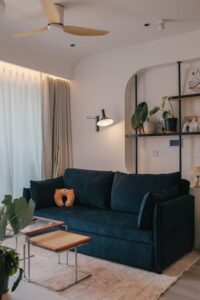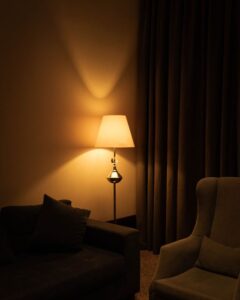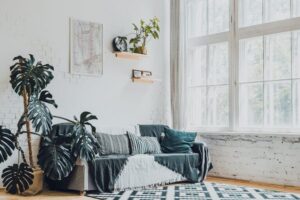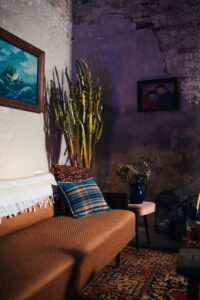
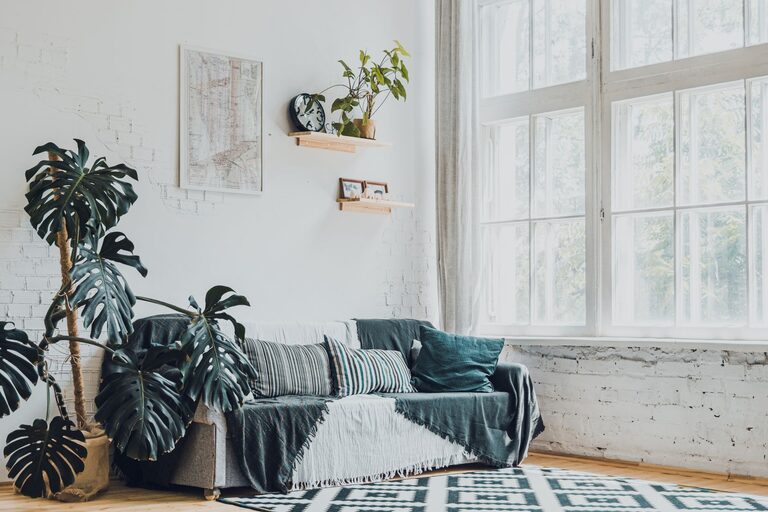
Creating a relaxing home environment is essential for your overall wellbeing. After a busy day, coming back to a space that feels calm and inviting can reduce stress and improve your mood. The good news is that you don’t need to undertake major renovations or buy expensive furniture to achieve this atmosphere. Simple decor changes can have a big impact.
In this guide, we’ll explore practical tips and ideas that are easy to implement, helping you turn your living space into a haven of relaxation.
Choose Soothing Colours
Colour plays a powerful role in how we feel. To create a calm environment, opt for soft, muted tones such as pale blues, gentle greens, warm beiges or soft greys. These colours tend to promote a sense of peace and restfulness.
Tips on using colour:
– Paint a feature wall in a soothing shade rather than repainting the whole room.
– Use accessories like cushions, throws or curtains in calming colours.
– Avoid overly bright or harsh colours in spaces designed for relaxing, such as bedrooms and lounges.
Bring in Natural Elements
Incorporating nature into your home decor can boost tranquillity. Plants, wooden furniture, and natural fibres are great choices.
Ideas to add nature’s touch:
– Place easy-care houseplants like snake plants, pothos or peace lilies in various spots around your home.
– Use wooden frames, shelves or coffee tables to add warmth.
– Consider natural materials for textiles such as cotton, linen or wool for cushions, rugs and curtains.
Declutter for a Clear Mind
Clutter can cause stress and make a room feel chaotic. Keeping your space tidy is one of the simplest ways to promote relaxation.
How to declutter effectively:
– Regularly go through your belongings and donate or recycle items you no longer need.
– Use storage boxes and baskets to keep small items organised.
– Keep surfaces like coffee tables and kitchen counters clear.
Use Soft Lighting
Harsh overhead lighting can be unsettling, so soft, warm lighting is key to creating a relaxing atmosphere.
Lighting tips:
– Use table lamps, floor lamps, or wall sconces with warm-toned bulbs.
– Consider fairy lights or candles for cosy ambient lighting in the evenings.
– Maximise natural light during the day by keeping windows clear of heavy curtains.
Incorporate Comfortable Textiles
Soft and cosy textiles invite relaxation and add texture to your rooms.
Ideas for textiles:
– Add cushions and throws in natural fabrics and calming colours to sofas and chairs.
– Use rugs to warm up hard floors and define spaces.
– Choose breathable bedding made from cotton or linen to improve sleep comfort.
Create Dedicated Relaxation Zones
If space allows, designate a specific corner or area of your home as a relaxation zone. This could be a reading nook, meditation space, or simply a cosy chair with a soft blanket.
Tips for your relaxation nook:
– Include comfortable seating.
– Add soft lighting and calming decorations like plants or artwork.
– Keep the area tidy and free from distractions.
Personalise with Meaningful Decor
Decorate with items that make you feel happy and calm.
Examples include:
– Family photos in simple frames.
– Artwork or prints with peaceful themes.
– Objects from nature, such as shells or stones.
Use Aromatherapy Subtly
Pleasant scents can enhance relaxation but should be subtle rather than overpowering.
Ways to add scent:
– Use essential oil diffusers with calming oils like lavender or chamomile.
– Light lightly scented candles.
– Place dried herbs or flowers in bowls.
Maintain Good Air Quality
Fresh air contributes to a relaxing environment.
Tips for better air:
– Open windows regularly to ventilate rooms.
– Keep plants, which help purify indoor air.
– Avoid strong chemical cleaning products and opt for natural alternatives where possible.
Final Thoughts
Relaxing home decor doesn’t have to be complicated or expensive. Focus on creating a serene atmosphere by choosing calming colours, soft lighting, natural elements and keeping your space clutter-free. These small changes will enrich your living environment and help you unwind more easily every day.
Remember, your home should reflect your personal sense of calm and comfort. Experiment with what makes you feel most relaxed and enjoy the process of creating your peaceful retreat.